Understanding Mini Split Systems
As homes and living spaces evolve, so do the heating and cooling solutions that keep them comfortable. Among these innovations, the mini split systems stand out for their versatility and efficiency. These systems have rapidly gained popularity due to their ability to provide targeted heating and cooling, making them a preferred choice for homeowners and builders alike. In this article, we will explore the intricacies of mini split air conditioners, their benefits, installation requirements, cost implications, maintenance practices, and future trends that could shape their development.
What is a Mini Split System?
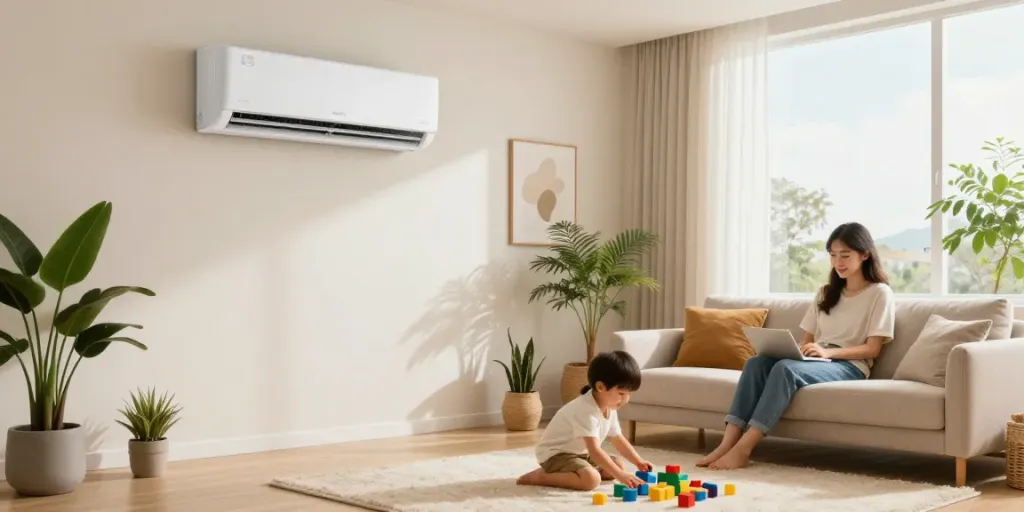
A mini split system is a type of ductless air conditioning system that consists of two main components: an indoor unit and an outdoor compressor. These systems allow for individual temperature control in different rooms, making them ideal for homes with multiple rooms or zones. Unlike traditional HVAC systems that rely on ductwork to distribute air, mini splits efficiently transfer air directly into the living spaces, significantly improving energy efficiency and comfort levels.
Key Benefits of Mini Split Technology
- Energy Efficiency: Mini split systems typically have high SEER (Seasonal Energy Efficiency Ratio) ratings, meaning they use less electricity to cool or heat a space compared to traditional systems.
- Flexible Installation: The lack of ductwork allows for flexible placement of the indoor units, which can be mounted on walls, ceilings, or floors, depending on space availability and design preferences.
- Zone Control: Each indoor unit can be controlled independently, allowing different rooms to be set at optimal temperatures based on occupancy and preference, which can lead to significant energy savings.
- Quiet Operation: Mini split units are generally quieter than traditional HVAC systems, providing a more peaceful environment in your home.
How Mini Splits Differ from Traditional HVAC Units
Unlike traditional HVAC systems that rely on ductwork integrated within a home, mini splits operate with a simplified design. This absence of ducts often leads to higher energy efficiency, as duct losses account for a significant portion of energy consumption in traditional systems. Additionally, mini splits can be tailored to suit various home sizes and configurations, making them an adaptable solution for modern living spaces.
Installation and Requirements
Choosing the Right Location for Your Mini Split
The effectiveness of a mini split system greatly depends on the location of the indoor and outdoor units. Indoor units should be placed in areas where airflow is unobstructed, and where they can best serve the intended space. Outdoor units must be installed in shaded areas to prevent overheating and ensure efficient performance. Access to power and suitable mounting surfaces are also important considerations during installation.
Installation Process: What to Expect
Installing a mini split system typically involves several steps, including selecting the unit's location, mounting the indoor and outdoor units, and connecting refrigerant lines and electrical wiring. Homeowners might choose to hire a professional contractor to ensure proper installation, which is crucial for the system's efficiency and longevity. The process generally takes a few hours to a full day, depending on the complexity of the installation.
Common Installation Challenges and Solutions
Some common challenges during installation can include inadequate electrical supply, difficult access to mounting locations, or local building codes that limit placement. To mitigate these challenges, it's advisable to conduct a thorough assessment of your home’s layout beforehand and consult with an HVAC professional to address potential issues proactively.
Cost and Energy Efficiency
Comparing Mini Split Costs with Other Cooling Solutions
While the initial cost of mini split systems can be higher than traditional window units or central air conditioning systems, the long-term savings on energy bills and increased home comfort often justify the investment. Costs can vary based on the number of zones, the efficiency rating of the units, and the complexity of the installation. On average, homeowners can expect to spend between $3,000 to $7,000 for a complete system, including both units and installation.
How Mini Splits Reduce Energy Consumption
Mini split systems use inverter technology to regulate the compressor speed based on the cooling or heating demand, which prevents energy waste. Instead of turning on and off like traditional systems, mini splits maintain a constant temperature by adjusting their output, leading to significant reductions in energy consumption over time.
Understanding SEER Ratings for Mini Split Systems
The SEER rating is a crucial factor when evaluating mini split systems. A higher SEER indicates a more efficient unit. For example, a unit with a SEER of 20 is more efficient than one with a SEER of 14. Homeowners looking to maximize their energy savings should aim for units with SEER ratings of 16 or higher to ensure optimal performance and lower energy costs.
Optimal Maintenance Practices
Regular Maintenance Tips for Longevity
To keep your mini split system running efficiently, regular maintenance is crucial. Homeowners should clean or replace filters monthly, check the condensate drain for clogs, and clean the outdoor unit of debris, such as leaves and dirt. Additionally, scheduling a professional tune-up at least once a year can help identify potential problems before they escalate.
Signs Your Mini Split Needs Repair
Some common signs that your mini split system may need repairs include unusual noises, inconsistent temperature control, and increased energy bills. If you notice any of these symptoms, it's best to consult a professional to diagnose and resolve the issue promptly.
DIY Maintenance vs. Professional Services
While some maintenance tasks can be performed by homeowners, such as cleaning filters and maintaining the outdoor unit, others should be handled by professionals. It's essential to know your limitations; for complicated tasks like refrigerant charging or electrical inspections, hiring a certified technician is the best course of action.
Future Trends in Home Cooling
Innovations to Watch in Mini Split Technology for 2026
The HVAC industry is continually evolving, and mini split systems are not left behind. Emerging technologies such as smart thermostats and integration with home automation systems are increasing in popularity. These innovations allow homeowners to manage their cooling systems more effectively and remotely for enhanced convenience and energy savings.
Impact of Smart Home Integration on Mini Splits
With the rise of smart homes, mini splits are adapting by offering compatibility with smart home ecosystems. Features such as voice control, remote monitoring, and programmable settings are becoming standard, allowing homeowners to optimize their cooling systems like never before.
Predictions for Mini Split Popularity in the Market
As energy efficiency becomes a priority for homeowners, the popularity of mini split systems is expected to grow. Their ability to provide flexible and efficient heating and cooling solutions will likely continue to drive demand, with an increasing number of manufacturers entering the market with innovative products and features.
What are the disadvantages of a mini split?
While mini split systems offer numerous advantages, they also come with some disadvantages. Initial installation costs can be higher than traditional systems, and the indoor units may require more visual consideration, as they are mounted on walls or ceilings. Additionally, without proper planning, cooling may be less effective in larger, open areas.
Are mini splits really worth it?
Overall, mini splits can be worth the investment for many homeowners, especially for those looking to improve energy efficiency and individual room comfort. The long-term savings on energy bills and the flexibility they provide often make them a compelling choice.
What does a mini split usually cost?
The cost of a mini split system can vary widely based on factors such as brand, efficiency rating, installation complexity, and the number of zones required. Homeowners can typically expect to pay between $3,000 to $7,000 for a complete system installed.
Do mini splits work in 100 degree weather?
Yes, mini split systems are designed to work efficiently even in high temperatures, such as 100 degrees Fahrenheit. Many models are equipped with advanced technology that allows them to maintain performance in extreme heat, ensuring your home remains comfortable regardless of the outdoor conditions.